Case Study: How a Shopify Store Recovered SEO After a Critical Downtime Event
Store Warden Team
Strategy Lead • Store Warden
Case Study: How a Shopify Store Recovered SEO After a Critical Downtime Event
Imagine your Shopify store, a finely tuned machine generating consistent revenue, suddenly goes dark. It’s not just a temporary inconvenience; it’s a direct hit to your bottom line and, more insidiously, a silent assault on your hard-earned SEO rankings. For a mid-sized Shopify Plus store we'll call "Peak Performance Gear," a seemingly minor technical glitch spiraled into a week-long outage, culminating in a dramatic drop in organic traffic and a costly battle for SEO recovery.
The Downtime Disaster: Peak Performance Gear's Unplanned Hiatus
Peak Performance Gear (PPG) specialized in high-end outdoor sports equipment, with an average daily revenue of $8,000 to $10,000. They had invested heavily in content marketing and technical SEO, enjoying top-3 rankings for several competitive keywords like "premium hiking boots" and "ultralight camping gear." Their organic traffic accounted for 65% of all sales.
The incident began with a third-party payment gateway integration. During a routine update, a critical conflict arose within their theme’s checkout files. Instead of gracefully degrading, the entire store went offline, displaying a generic browser error rather than a controlled maintenance page.
The immediate impact was devastating:
- Lost Revenue: For every hour the store was down, PPG lost approximately $400 in sales, totaling over $67,200 during the initial 7-day outage.
- Customer Frustration: Support channels were flooded with inquiries, and social media engagement turned negative.
- Brand Damage: Perceived unreliability eroded customer trust.
But the most insidious damage was yet to be fully realized: the hit to their SEO.
The Silent Killer: How Search Engines React to Downtime
When Googlebot (or any search engine crawler) attempts to access your store and encounters an error instead of content, it interprets this as a negative signal. Repeatedly encountering errors leads to:
- Crawl Budget Waste: Google has a finite "crawl budget" for each site. If it spends this budget encountering errors, it won't crawl your valuable product pages or blog content, meaning new content won't be indexed, and existing content's freshness won't be maintained.
- Ranking Drops: Persistent errors signal a poor user experience. Search engines prioritize websites that are reliable and accessible. If your site is frequently unavailable, it will inevitably drop in rankings as competitors provide a stable experience.
- De-indexing: In severe, prolonged cases, search engines might even de-index pages, removing them entirely from search results. This is the SEO equivalent of a death sentence.
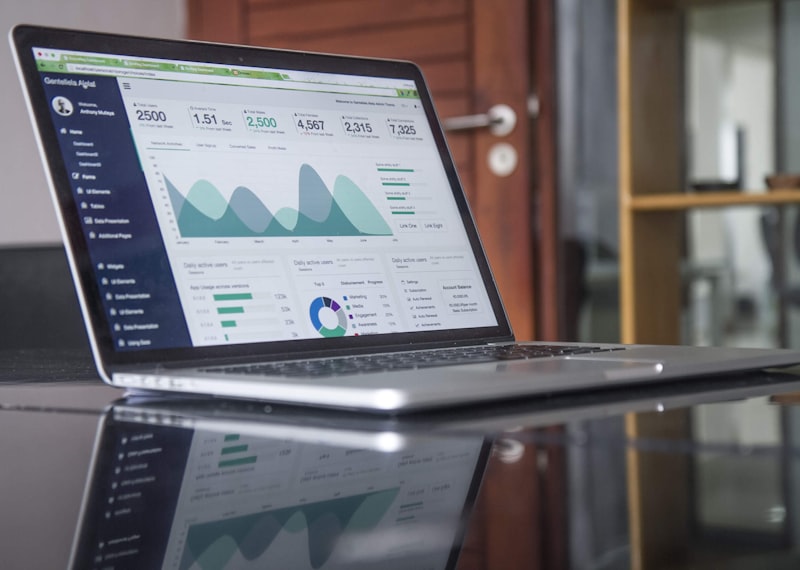
In PPG's case, the 7-day complete outage, coupled with an uncontrolled error message (which typically results in a 404 or a generic server error without proper HTTP status codes), signaled to Google that the site was unreliable. Within two weeks of restoration, PPG saw their organic traffic plummet by nearly 40%. Their top-ranking keywords had fallen out of the top 10, some even out of the top 30.
The SEO Recovery Roadmap: PPG's Battle Back
Faced with a significant financial and reputational crisis, PPG embarked on a structured SEO recovery plan. This wasn't a quick fix; it was a multi-phase operation.
Phase 1: Immediate Damage Control & Technical Stabilization
The first priority was to get the store fully functional and stable. This involved:
-
Restoring Store Functionality: Working with Shopify Support and their development agency, they isolated and resolved the payment gateway conflict. The store was brought back online.
-
Verifying All Pages & Functionality: Before declaring "open for business," every critical page (homepage, product pages, collection pages, checkout) was tested. Broken links, missing images, and script errors were identified and fixed.
-
Communicating with Customers: A transparent email was sent to their customer base, explaining the issue, apologizing for the inconvenience, and offering a discount code for their next purchase. This helped mitigate immediate reputational damage.
-
Checking Server Status Codes: This was a critical lesson learned. During the downtime, the store had returned a mix of generic connection errors and 404s for some pages. Crucially, it did not serve a 503 "Service Unavailable" status code.
Why 503 is essential: A 503 HTTP status code explicitly tells search engines that your site is temporarily down for maintenance and will be back. It instructs crawlers to check back later without penalizing your rankings. A 404 (Not Found) or a generic server error (like 500) can signal a permanent issue, leading to de-indexing. Had PPG used a 503, the SEO damage would have been significantly less severe.
Phase 2: Search Engine Remediation & Rebuilding Trust
Once the store was stable, the focus shifted to directly addressing the SEO damage.
- Google Search Console (GSC) Audit:
- Crawl Errors: PPG meticulously checked the "Crawl Errors" report in GSC. They identified a surge in "Server Errors" during the outage period.
- URL Inspection Tool: They used the "URL Inspection" tool to individually inspect critical pages, requesting re-indexing for their most important product and category pages.
- Sitemap Submission: Although their sitemap was already submitted, they resubmitted it to signal to Google that the site's structure was stable and ready for re-crawling.
- Core Web Vitals: They checked for any new performance issues that might have emerged post-restoration, as page speed is a significant ranking factor.
- Content Review & Optimization:
- Canonical Tags: Ensured all canonical tags were correctly pointing to the preferred versions of pages, preventing duplicate content issues.
- Meta Data: Verified that all meta titles and descriptions were intact and optimized.
- Internal Linking: Reviewed their internal linking structure to ensure maximum link equity flow to critical pages.
- Backlink Profile Check: They used a third-party SEO tool to check for any lost backlinks or sudden drops in domain authority that could be attributed to the downtime. Fortunately, their strong backlink profile remained largely intact, but the value of those links was temporarily diminished by the site's unavailability.
- User Experience (UX) Enhancements: To regain user trust and signal reliability, PPG proactively implemented UX improvements:
- Enhanced Site Speed: They optimized images, streamlined scripts, and leveraged Shopify's built-in speed features.
- Improved Navigation: Simplified menus and added clear CTAs.
- Security Badges & Trust Signals: Made sure all security badges (SSL, payment provider logos) were prominently displayed.
- Customer Reviews: They doubled down on collecting new product reviews. A tool like Trust Revamp would have been invaluable here to quickly solicit and display authentic social proof, helping to rebuild confidence after the incident.
- Active Content Marketing: To show Google that the site was active and valuable, they ramped up their blog content production, focusing on informative articles relevant to their niche. New, fresh content helps attract new crawls.
Phase 3: Prevention & Long-Term Stability
The most crucial lesson from PPG's experience was the need for a robust, proactive strategy to manage store availability and protect SEO.
-
Implementing a Dedicated Downtime Solution: This is where a specialized tool like Store Warden becomes indispensable. PPG realized that relying on a generic server error or manually tweaking theme code for maintenance was both risky and ineffective for SEO.
With Store Warden, they could now:
- Schedule Maintenance Windows: For any planned updates, theme changes, or inventory management, they could schedule specific downtime periods. Store Warden automatically displays a custom, branded maintenance page and, critically, sends a 503 "Service Unavailable" HTTP status code to search engines. This tells Google to return later without harming rankings.
- Emergency Instant Pause: In case of unforeseen issues (like the payment gateway conflict), they could instantly pause their store with a single click, immediately displaying a 503 maintenance page. This minimizes the duration of uncontrolled errors.
- IP Whitelisting: Their internal team and developers could still access the live store during maintenance via whitelisted IP addresses, allowing them to work without exposing the unfinished site to the public or search engines.
- Custom Branded Pages: They could design beautiful, on-brand maintenance pages that communicate effectively with customers, reducing frustration and maintaining brand consistency.
"Had Peak Performance Gear implemented Store Warden from the outset," their CEO later reflected, "our 7-day outage would have been a controlled 503 maintenance period, saving us tens of thousands in lost revenue and months of SEO recovery work." You can explore Store Warden's comprehensive features to see how it protects your store.
-
Proactive Monitoring: PPG implemented external uptime monitoring services to alert them instantly if their store went down, rather than discovering it through customer complaints or plummeting sales figures.
-
Regular Backups & Staging Environments: While Shopify handles core backups, PPG now maintains theme backups and uses a staging environment for all significant changes before deploying to live.
-
Post-Recovery Analytics: After the initial recovery, PPG began closely monitoring user sessions to understand any lingering issues or areas of confusion that might affect conversion. Tools like Flow Recorder could have provided invaluable insights into how users interacted with the store post-downtime, identifying "rage clicks" or areas where trust needed further rebuilding.
The Road to Recovery: PPG's Results
The recovery wasn't instantaneous. It took nearly three months for PPG to see their organic traffic return to pre-downtime levels. Some keywords, particularly those that had fallen out of the top 20, took even longer to climb back.
Key results after 6 months:
- Organic Traffic: Restored to 95% of pre-downtime levels.
- Keyword Rankings: Most critical keywords regained their top-5 positions.
- Revenue from Organic: Slowly climbed back, reaching 90% by month 6.
- Customer Trust: While difficult to quantify, positive customer feedback increased, and the initial negative sentiment dissipated.
The experience was a stark reminder that technical stability and proactive availability management are not just operational concerns but fundamental pillars of long-term SEO success.
Your Shopify Store: Lessons Learned from PPG
This case study from Peak Performance Gear offers critical takeaways for any Shopify merchant:
- Downtime is an SEO Killer: Uncontrolled downtime, even for a short period, can severely damage your search rankings and organic visibility. Google expects reliability.
- The 503 Status Code is Your Best Friend: When your store must be down (planned or unplanned), ensure it's serving a 503 "Service Unavailable" status code. This prevents search engines from penalizing your site for temporary unavailability.
- Proactive Management is Key: Don't wait for a disaster to happen. Have a strategy for managing your store's availability.
- Monitor Your SEO: Regularly check Google Search Console for errors, crawl stats, and performance reports.
- Rebuild Trust: After an outage, focus on regaining customer confidence through communication, excellent UX, and social proof.
Your Shopify store is too valuable to leave its availability to chance. A single, uncontrolled downtime event can undo months or years of SEO effort, leading to significant financial losses and reputational damage.
Store Warden handles this automatically, providing you with complete control over your store's availability while safeguarding your SEO. Install free on the Shopify App Store and prevent your next outage from becoming an SEO disaster. You can also review our pricing and documentation for more details.
Keep Exploring
Mastering Google Crawl Budget for Shopify Stores: An Advanced SEO Tutorial
Optimize your Shopify store's crawl budget to ensure Google indexes your most important products and updates faster, boosting your SEO and visibility.
503 vs 404: The Definitive Guide to Shopify Maintenance Pages and SEO Protection
Learn why a 503 Service Unavailable is crucial for Shopify maintenance, protecting SEO and customer trust, while a 404 can be catastrophic.
The Ultimate Guide to Shopify SEO During Site Maintenance
Don't let site maintenance tank your Shopify SEO. Learn the critical steps to protect your rankings with 503 status codes, custom pages, and smart planning.